Homemade Mayonnaise Recipe
Introduction
Making mayonnaise at home is surprisingly quick and rewarding. This creamy, tangy condiment elevates sandwiches, salads, and dips with a fresh, homemade touch. Using simple ingredients and an immersion blender, you can whip up a batch in just minutes.
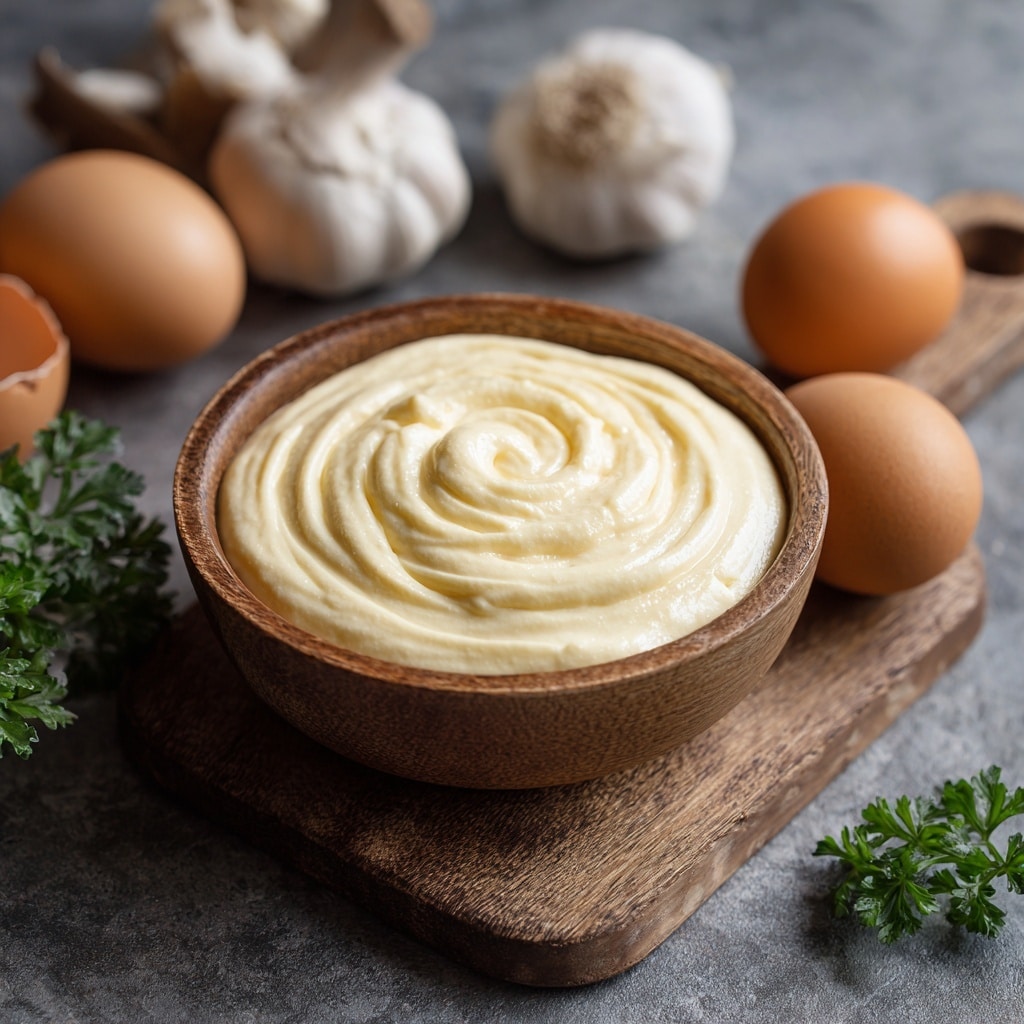
Ingredients
- 2 large eggs (farm fresh is ideal)
- 1 tbsp lemon juice (about one small lemon)
- 1 tsp kosher salt
- 1/2 tsp distilled vinegar
- 1/2 tsp ground mustard
- 2 cups extra light olive oil (be sure to use light)
Instructions
- Step 1: Add the eggs, lemon juice, kosher salt, distilled vinegar, and ground mustard to a wide-mouth mason jar.
- Step 2: Use an immersion blender to blend the mixture until it emulsifies and begins to look creamy.
- Step 3: Slowly pour the olive oil in a steady stream while continuously blending. Move the immersion blender around to fully incorporate the oil.
- Step 4: Once all the oil is blended in and the mayonnaise is thick, taste and adjust the seasoning. Add more lemon juice, salt, or mustard powder as needed to suit your preference.
- Step 5: Transfer the mayonnaise to an airtight container and refrigerate until ready to use.
Tips & Variations
- Use farm-fresh or very fresh eggs to ensure the best flavor and safety.
- For a different flavor, substitute lemon juice with white wine vinegar or add a teaspoon of garlic for a garlicky mayo.
- If the mayonnaise is too thick, blend in a teaspoon or two of warm water to reach your desired consistency.
- Be sure to use extra light olive oil as it has a neutral flavor that won’t overpower the mayo.
Storage
Store homemade mayonnaise in an airtight container in the refrigerator for up to one week. Always use a clean spoon to avoid contamination. If the mayonnaise separates or develops an off smell, discard it. Bring to room temperature or stir well before using if it thickens too much in the fridge.
How to Serve
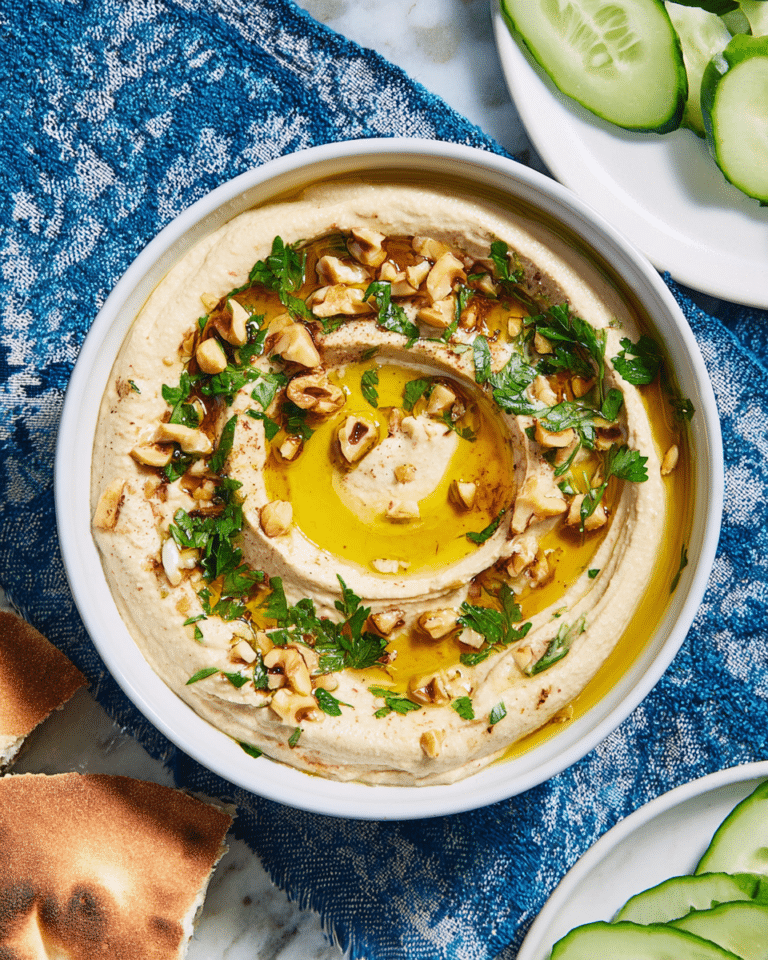
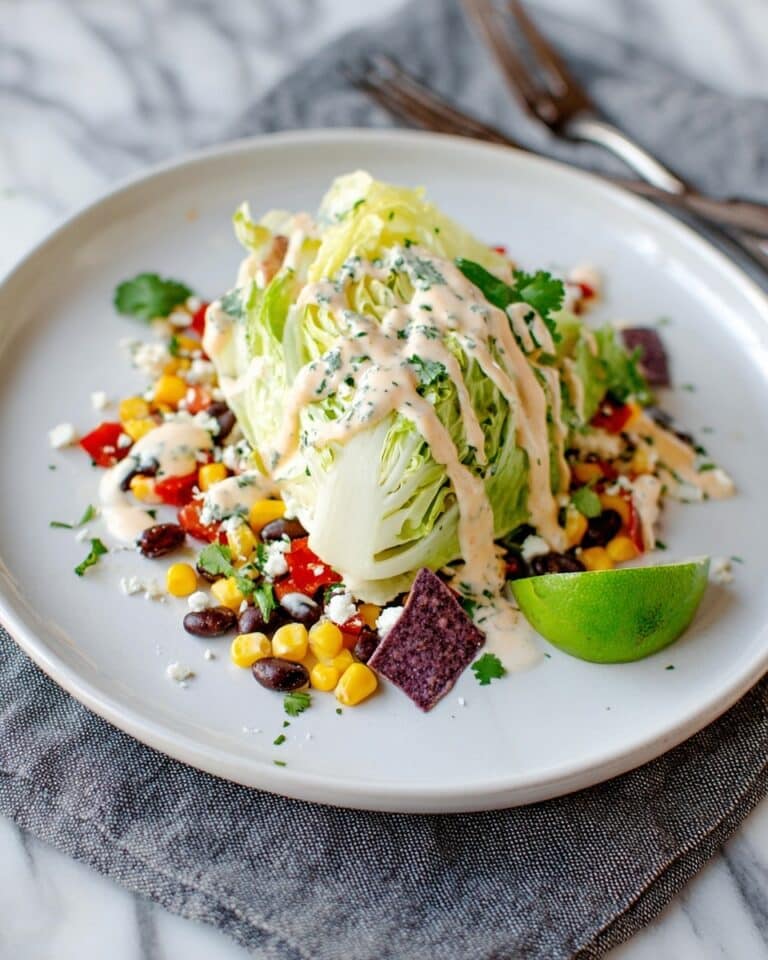
Serve this delicious recipe with your favorite sides.
FAQs
Can I use regular olive oil instead of extra light olive oil?
Regular olive oil has a stronger, more robust flavor that can overpower the mayonnaise. Extra light olive oil is recommended because of its mild taste, which allows the other ingredients to shine.
Is it safe to eat mayonnaise made with raw eggs?
Using fresh, high-quality eggs reduces the risk of foodborne illness. However, individuals with weakened immune systems, pregnant women, young children, and the elderly should be cautious or use pasteurized eggs to be safe.
PrintHomemade Mayonnaise Recipe
This homemade mayonnaise recipe is a quick and easy way to create creamy, flavorful mayo using simple ingredients and an immersion blender. Made from fresh eggs, lemon juice, and light olive oil, it provides a fresh alternative to store-bought condiments and can be customized to your taste with adjustments in lemon, salt, and mustard.
- Prep Time: 5 minutes
- Cook Time: 0 minutes
- Total Time: 5 minutes
- Yield: 48 servings (about 2 cups) 1x
- Category: Condiment
- Method: Blending
- Cuisine: American
Ingredients
Mayonnaise Ingredients
- 2 large eggs (farm fresh is ideal)
- 1 tbsp lemon juice (about one small lemon)
- 1 tsp kosher salt
- 1/2 tsp distilled vinegar
- 1/2 tsp ground mustard
- 2 cups extra light olive oil (be sure to use light)
Instructions
- Combine base ingredients: Add the eggs, lemon juice, kosher salt, distilled vinegar, and ground mustard to a wide mouth mason jar. This forms the emulsifying base for your mayonnaise.
- Blend the mixture: Use an immersion blender to blend the ingredients until the mixture emulsifies and becomes creamy in texture, ensuring a smooth base before adding oil.
- Add oil slowly: With the immersion blender running, slowly pour the extra light olive oil in a steady, thin stream while moving the blender around to incorporate all the oil fully. This gradual process creates a stable emulsion and thick, creamy mayonnaise.
- Adjust the seasoning: Once all the oil is incorporated and the mayo looks fully blended, taste it. Add more lemon juice, kosher salt, or ground mustard as needed to achieve your preferred flavor balance. Typically, increasing salt and lemon helps cut through the oiliness and enhances creaminess.
- Store properly: Transfer the homemade mayonnaise to an airtight container and refrigerate. It will stay fresh and safe to use for several days.
Notes
- Use farm fresh or pasteurized eggs from a trusted source to minimize the risk of salmonella since the recipe uses raw eggs.
- Ensure the olive oil is extra light in flavor to prevent overpowering the taste of the mayonnaise.
- If the mayonnaise is too thick, a teaspoon of warm water can be blended in to adjust consistency.
- Store mayonnaise in the refrigerator and consume within one week for optimal freshness and safety.
- An immersion blender is essential for emulsifying; a regular blender or food processor can also be used but may change the texture slightly.
Keywords: homemade mayonnaise, easy mayonnaise, fresh mayo recipe, creamy mayo, emulsified sauce, olive oil mayo, DIY condiment