Easy Poached Eggs Recipe
Introduction
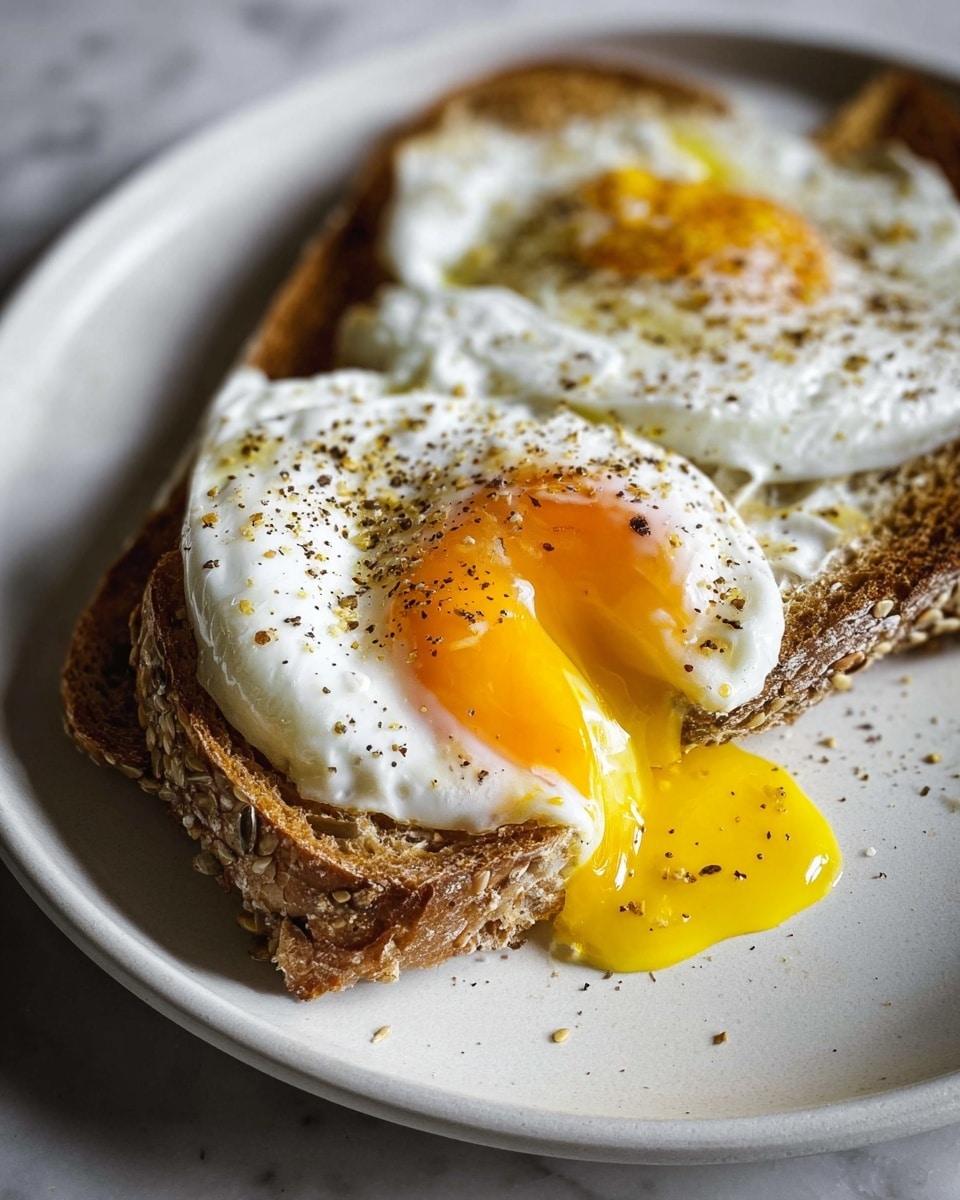
Poached eggs are a simple yet elegant addition to any breakfast or brunch. This easy poached egg recipe delivers tender whites wrapped around a silky yolk, perfect on toast or salads.
Ingredients
- 1 egg
- Pot of water
- 1 Tbsp vinegar (white distilled is best)
Instructions
- Step 1: Crack the entire egg into a small bowl or ramekin to prepare it for cooking.
- Step 2: Bring a pot of water to a boil, then lower the heat to medium-low so the water is simmering. Add the vinegar and stir well.
- Step 3: Use a slotted spoon to create a gentle whirlpool in the simmering water by stirring quickly in a circular motion.
- Step 4: Carefully slip the egg from the bowl into the center of the whirlpool. The egg white will wrap around the yolk as it cooks.
- Step 5: Let the egg cook in the simmering water for 2 to 4 minutes, until the whites are set but the yolk remains soft. Gently touch the egg with the slotted spoon to check firmness.
- Step 6: Remove the poached egg with the slotted spoon, letting any excess water drain off before transferring it to a plate. Enjoy immediately.
Tips & Variations
- Use very fresh eggs for the best shape and texture when poaching.
- Adding vinegar helps the egg whites coagulate faster and hold together.
- For multiple eggs, poach them one at a time for best results.
- Try serving poached eggs over sautéed spinach, toasted bread, or with hollandaise sauce for extra flavor.
Storage
Poached eggs are best eaten fresh but can be stored in an airtight container in cold water in the refrigerator for up to 1 day. To reheat, warm them gently in simmering water for about 30 seconds to avoid overcooking.
How to Serve
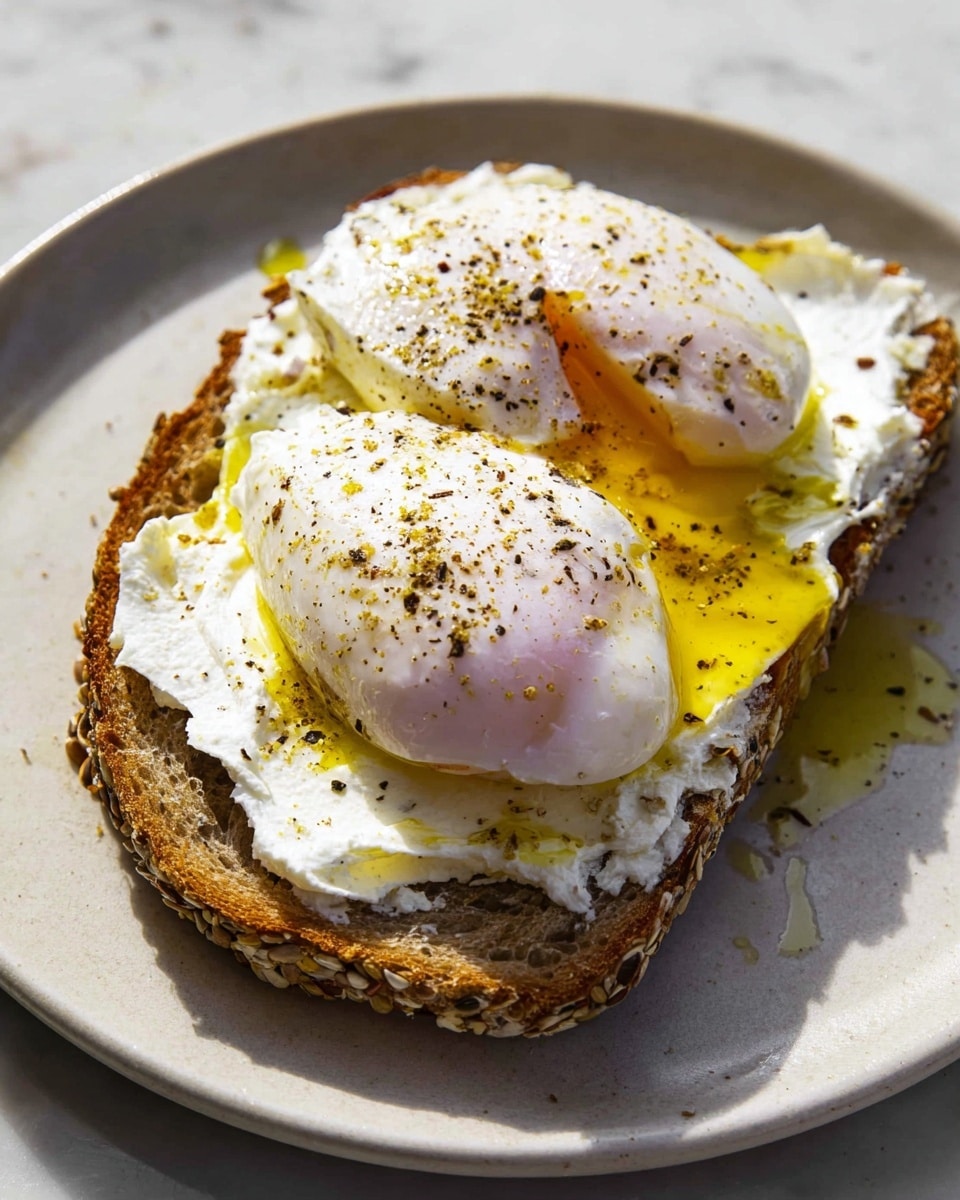
Serve this delicious recipe with your favorite sides.
FAQs
Can I poach eggs without vinegar?
Yes, you can poach eggs without vinegar, but vinegar helps the whites set more neatly around the yolk, resulting in a better-shaped egg.
How do I know when the poached egg is done?
The whites should be fully set and no longer runny, while the yolk remains soft and slightly wobbly when touched gently with a spoon.
PrintEasy Poached Eggs Recipe

This recipe guides you through the simple process of making perfectly poached eggs with tender whites and a runny yolk. Using a gentle simmer and a whirlpool technique, you can create delicate poached eggs ideal for breakfast or as a topping for salads and toast.
- Prep Time: 3 minutes
- Cook Time: 4 minutes
- Total Time: 7 minutes
- Yield: 1 poached egg 1x
- Category: Breakfast
- Method: Stovetop
- Cuisine: American
- Diet: Low Fat
Ingredients
Ingredients
- 1 large egg
- Pot of water (enough to fill a saucepan about 3 inches deep)
- 1 tablespoon white distilled vinegar
Instructions
- Crack: Crack the entire egg into a small bowl or ramekin carefully to keep the yolk intact and to make it easier to slide the egg into the water.
- Simmer: Bring a pot of water to a boil, then reduce the heat to medium-low so the water simmers gently. Add the vinegar and stir well to help the egg whites coagulate quickly.
- Drop: Create a whirlpool effect in the simmering water by stirring with a slotted spoon. Gently slide the egg from the bowl into the center of the whirlpool. This motion helps the egg white wrap around the yolk for a neat shape.
- Cook Egg: Let the egg cook for 2 to 4 minutes until the whites are just set but the yolk remains soft and slightly runny. Test firmness by gently touching the egg white with the slotted spoon.
- Drain: Use the slotted spoon to lift the poached egg out of the water, allowing excess water to drain off. Transfer it to a plate and serve immediately for the best texture and flavor.
Notes
- Use fresh eggs for the best poaching results, as fresher eggs hold their shape better in water.
- The vinegar helps the egg whites to coagulate faster but should be used sparingly to avoid altering the flavor of the egg.
- The whirlpool technique helps maintain a compact shape, but if cooking multiple eggs, poach one at a time for best results.
- Adjust cooking time depending on how runny or firm you prefer your yolk.
- Serve poached eggs on toasted bread, salads, or with hollandaise sauce for classic variations like Eggs Benedict.
Keywords: poached eggs, easy poached eggs, stovetop poached eggs, breakfast eggs, simple egg recipe